Weather & Maintenance
How Arkansas Weather Affects Metal Buildings
Steel handles Arkansas weather well, but humidity, hail, wind, ice, and clay soil each ask something of a building. Here's what to plan for before you build.
Read more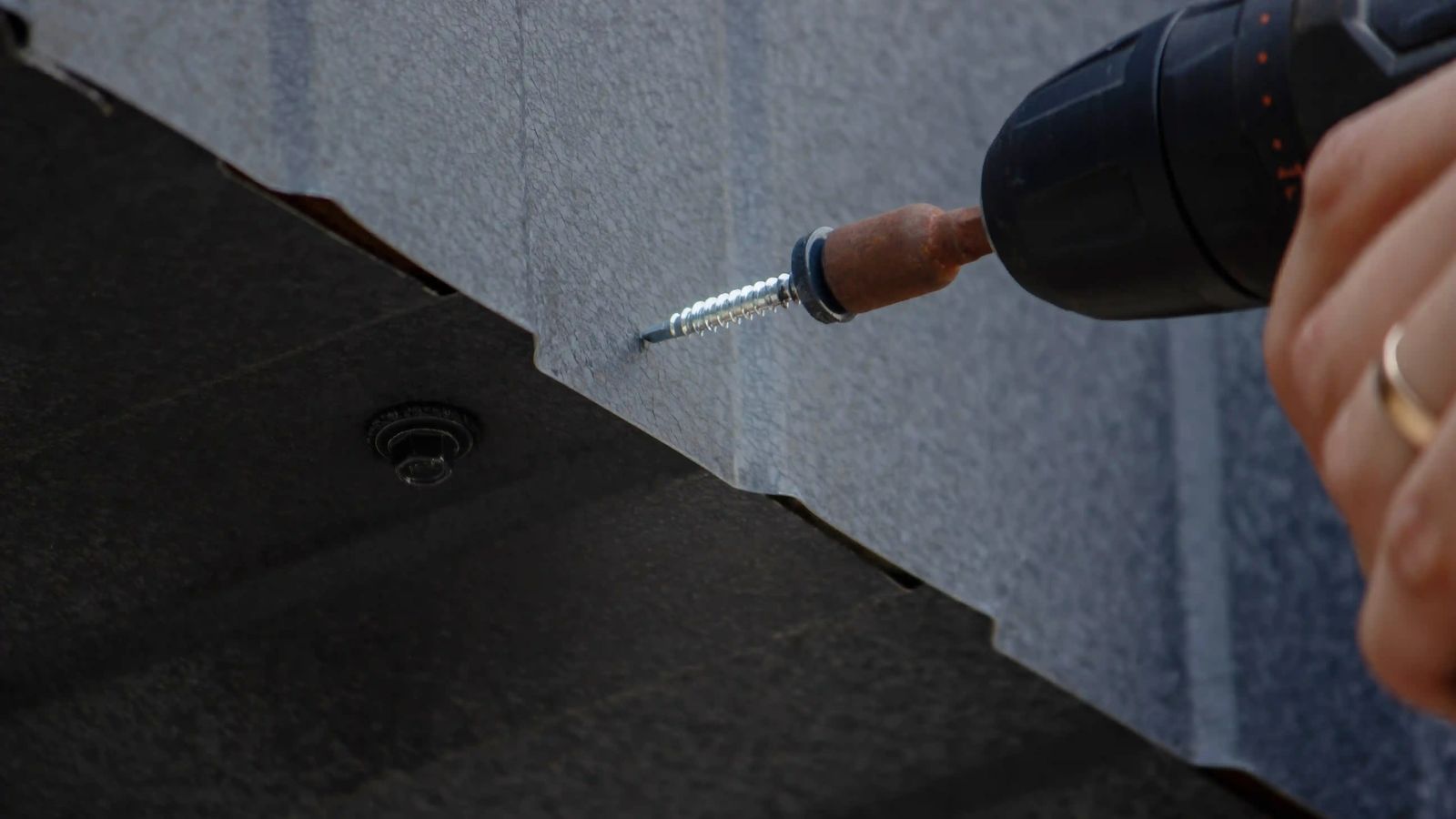
Metal roof problems almost always trace back to five causes: fasteners that back out, sealant that ages, water that stands instead of draining, debris that holds moisture, and condensation that gets mistaken for a leak. Each one is preventable, and most of the prevention happens before the roof goes on.
On an exposed-fastener roof, screws hold the panels down and their rubber washers seal the holes. Over years of heating and cooling, panels expand and contract, and a screw can back out a quarter turn. The washer stops sealing and water finds the hole.
Prevention: correct fasteners driven straight at install, and a once-a-year walk of the roof. A backed-out screw is a five-minute fix. The same screw ignored for five years is a stained ceiling.
Trim details, the ridge cap, and penetrations like vents are where sealant does its work, and sealant ages. Good trim design sheds water with the panel’s shape so the sealant is a backup, not the only thing keeping water out.
Prevention: trim details that overlap in the direction water flows. That’s a design decision made before the roof is built, which is why we spec it.
Water that sits on a roof finds a way in. Low pitch, horizontal panels on a long roof, and debris in the valleys all keep water around longer than it should be.
Prevention: a steeper pitch and a vertical panel orientation on larger buildings, so water moves off fast.
Leaves and limbs hold moisture against the panel and block drainage. Over time they also scratch the coating.
Prevention: keep gutters and valleys clear and trim branches that drop onto the roof.
A roof that “leaks” only on humid mornings isn’t leaking. It’s sweating. The underside is colder than the air inside, and moisture forms on it. Insulation on the underside solves it.
Oil-canning is the slight waviness you sometimes see on wide, flat metal panels in summer heat. It’s cosmetic, not a leak, but it’s avoidable with a panel profile that has enough rib depth for the span.
Do those four things and a metal roof becomes one of the parts of the building you stop thinking about. For a roof specced that way from the start, request a free estimate from Metal Dreams.
FAQ
The screws have likely backed out slightly with thermal movement, so the washers no longer seal. Re-seating or replacing the fasteners fixes it.
Once a year is enough for most buildings: check fasteners, sealant at trim and penetrations, and clear any debris.
Usually not. It's a cosmetic waviness on wide flat panels in heat. A panel profile with deeper ribs minimizes it.
Keep reading
Weather & Maintenance
Steel handles Arkansas weather well, but humidity, hail, wind, ice, and clay soil each ask something of a building. Here's what to plan for before you build.
Read more
Weather & Maintenance
A well-built steel building outlasts the mortgage, the vehicles inside it, and usually the owner's plans for it. Here's what decides its lifespan.
Read more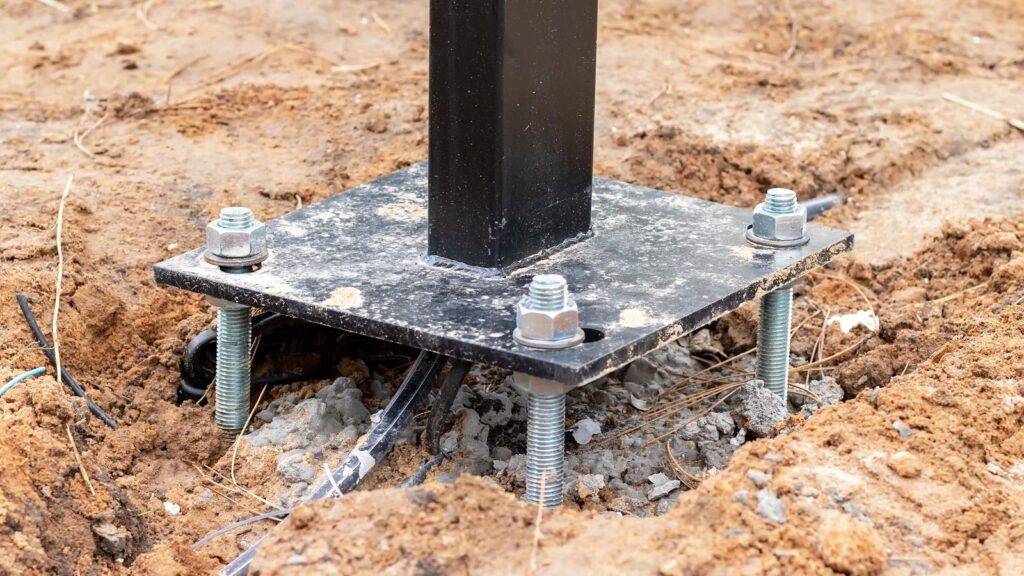
Weather & Maintenance
Anchoring is the part of a steel building you never see again. In Arkansas clay, it's the part that decides whether the building stays put.
Read moreTell us what you're building and where it's going. Estimates are free, with no obligation and no deposit.