
Weather & Maintenance
How Arkansas Weather Affects Metal Buildings
Steel handles Arkansas weather well, but humidity, hail, wind, ice, and clay soil each ask something of a building. Here's what to plan for before you build.
Read more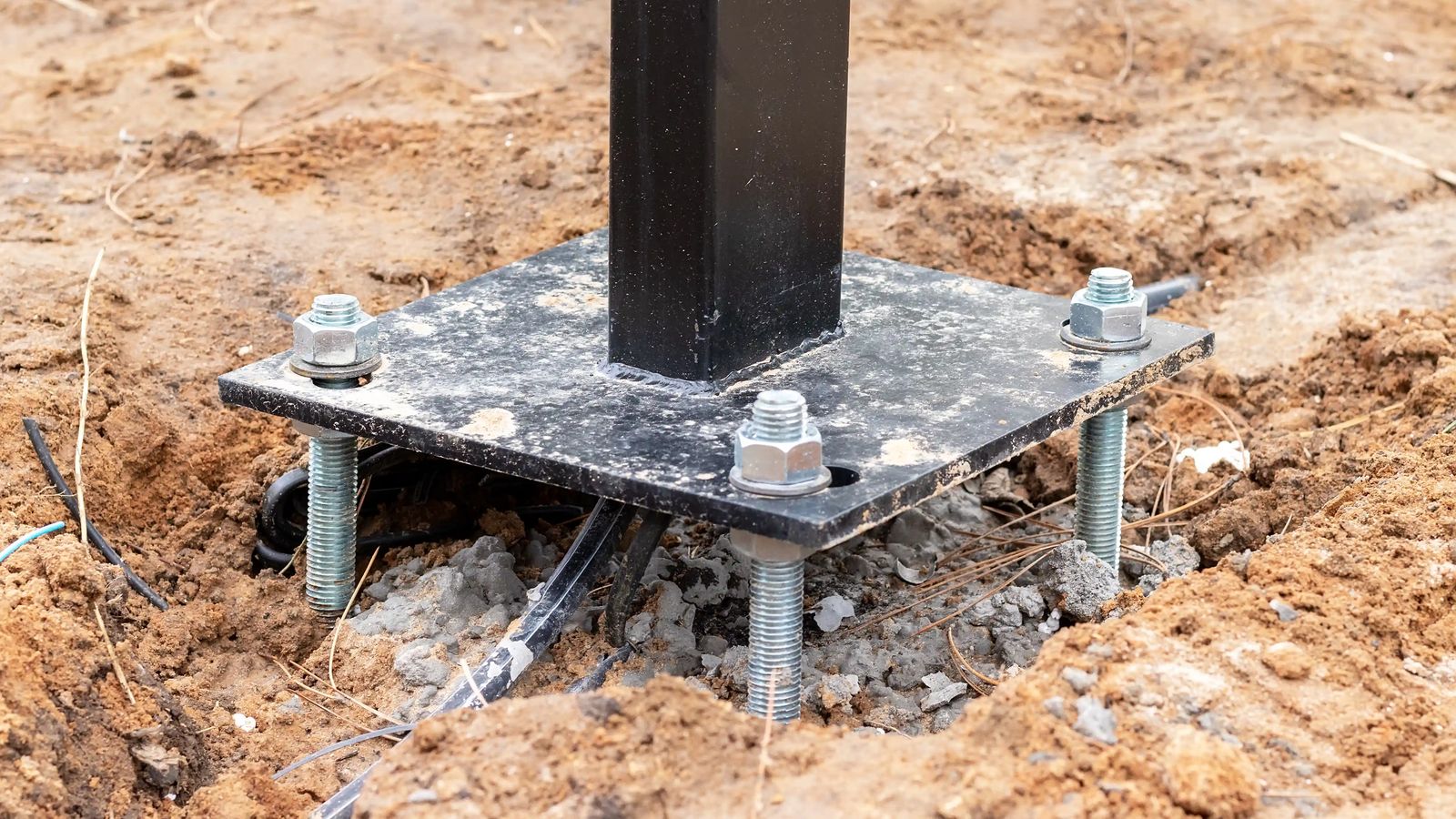
Metal buildings are held down by anchors, not by their weight. On a concrete slab, that means concrete anchors set into the slab. On gravel or bare ground, it means long ground anchors driven into the soil. In Arkansas, much of that soil is clay, which softens and moves after a wet spring and hardens in a dry summer. Anchors have to reach deep enough to hold through both, and the anchoring has to be sized for the building’s height and wind exposure, not copied from a chart.
A steel building is light for its size, and an open one is a sail. Wind doesn’t just push on it; it lifts. Anchors are what resist that uplift. A building that moves in the wind works its fasteners loose, stresses the frame, and eventually fails at the connections. Proper anchoring is the single biggest factor in how a steel building weathers a storm.
Central Arkansas clay holds water. After a wet spring the top layer softens, and an anchor that only reaches that layer loses grip when it’s needed most. In a dry summer the same clay shrinks and cracks. A ground anchor has to be long enough to bite below the layer that changes, and a slab has to be built to ride those cycles without heaving.
This is where Metal Dreams started. James has poured foundations in Jacksonville and across Central Arkansas for more than 30 years, and he knows how deep anchors need to go in this clay after a wet spring and what a slab needs to hold a building for decades.
A tall RV cover catches far more wind than a low single carport. An open building catches more than an enclosed one. A hilltop or open field is a different site than a lot sheltered by trees. Anchoring should be sized for all of that, and for your county’s code, which is why we ask where the building is going before we quote it.
If you see these on an existing building, have the anchoring checked before the next storm season.
Every Metal Dreams building is specced for the ground it sits on: framing, roof pitch, and anchoring set for your site. Tell us your town and what the ground is when you request a free estimate, and read how Arkansas weather affects metal buildings.
FAQ
Concrete anchors on a slab, or long ground anchors driven into gravel or soil. The type and depth depend on the foundation, the building's height, and the site's wind exposure.
Deep enough to bite below the layer of clay that softens after a wet spring. The exact depth is set for the site, not taken from a chart.
An under-anchored one can be lifted or shifted by wind. Properly specified anchoring for the building's height and exposure is what prevents it.
Keep reading
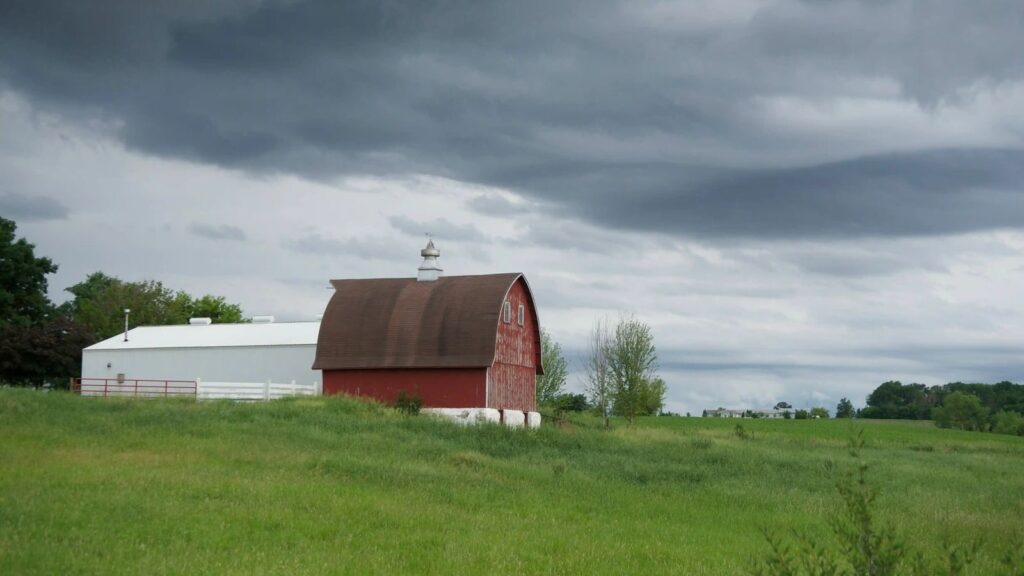
Weather & Maintenance
Steel handles Arkansas weather well, but humidity, hail, wind, ice, and clay soil each ask something of a building. Here's what to plan for before you build.
Read more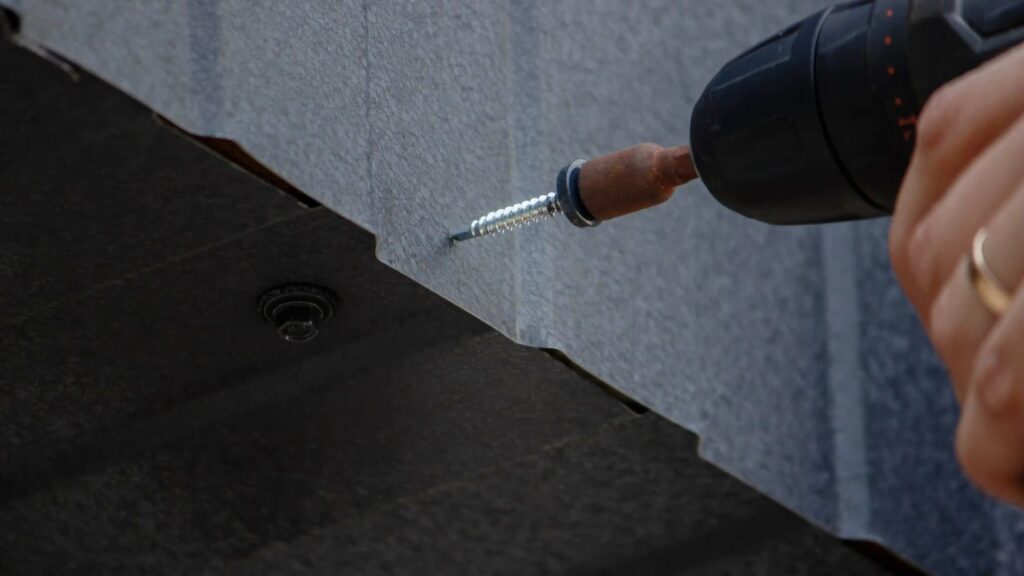
Weather & Maintenance
A metal roof should last decades. When one gives trouble, it's usually one of a handful of causes, and most are preventable at the design stage.
Read more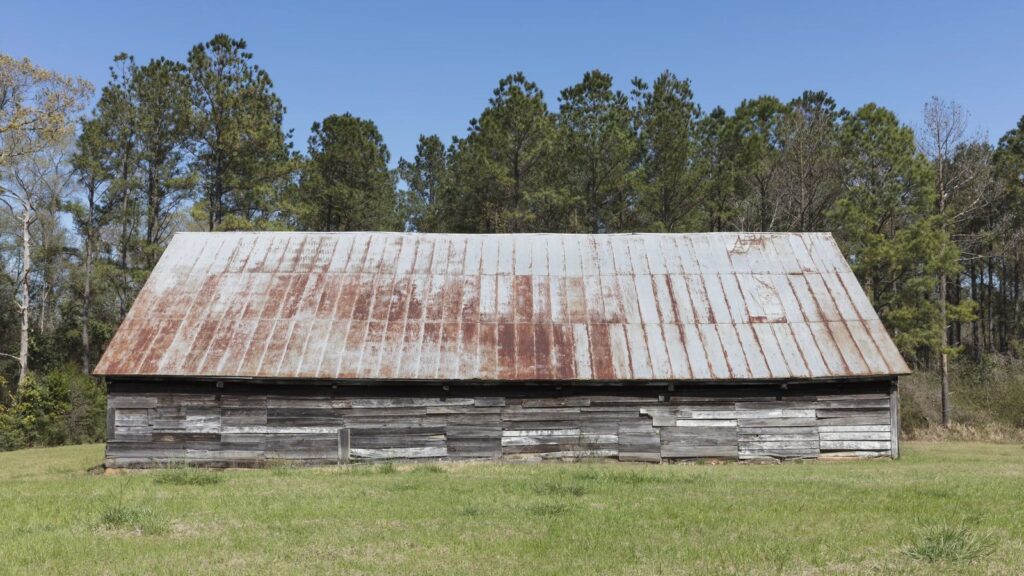
Weather & Maintenance
A well-built steel building outlasts the mortgage, the vehicles inside it, and usually the owner's plans for it. Here's what decides its lifespan.
Read moreTell us what you're building and where it's going. Estimates are free, with no obligation and no deposit.