
Planning
Metal Building Insulation: When Do You Need It?
Not every steel building needs insulation. Garages, shops, and anything you'll live in almost always do, and the decision has to come before the build.
Read more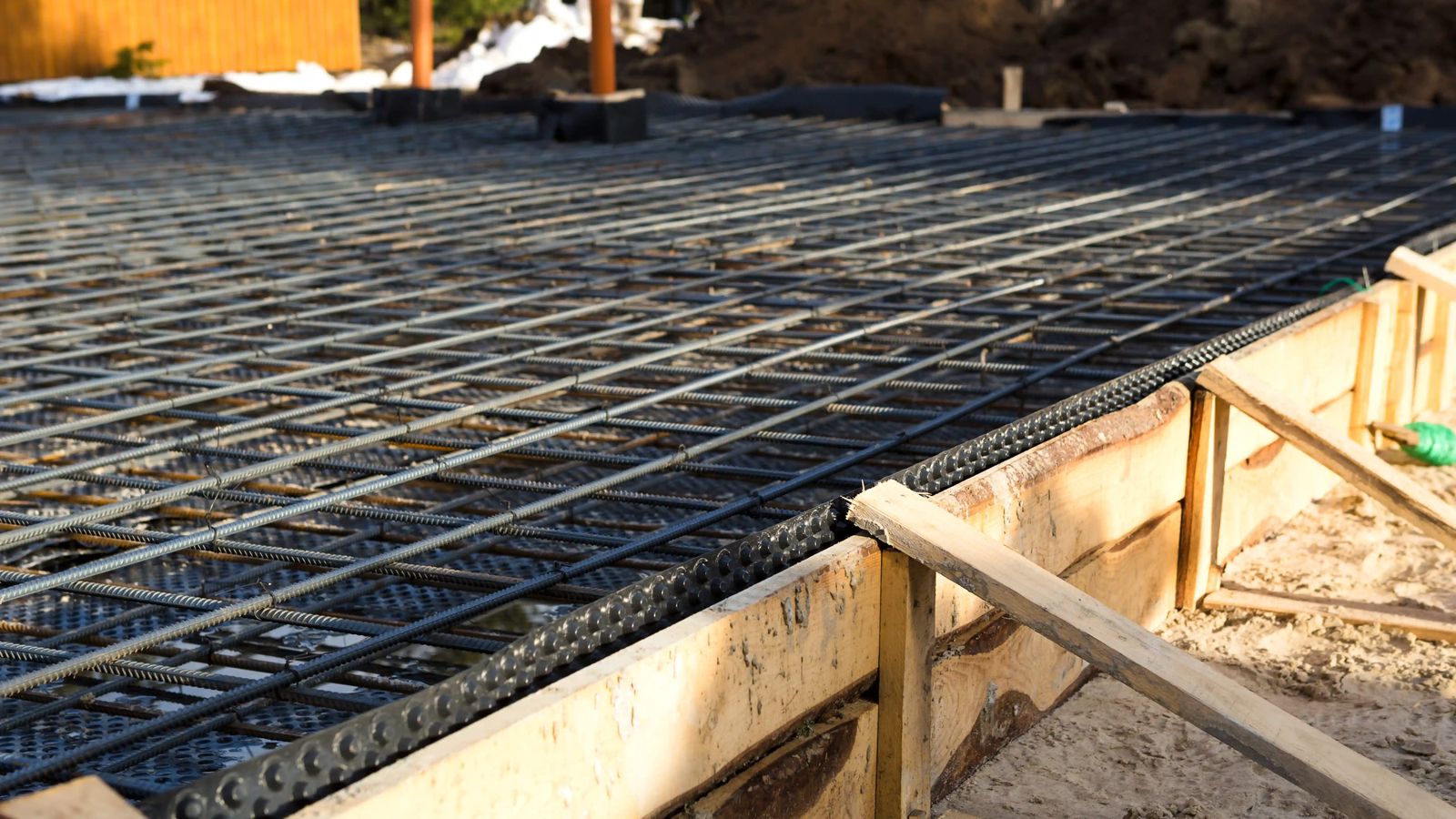
A metal building can be installed over three kinds of foundation: a concrete slab, a gravel pad, or bare ground. A slab gives you a finished floor and the strongest anchoring and costs the most. Gravel drains well and costs less. Bare ground is the simplest and cheapest, suited to open covers. Each one uses a different anchor, so the foundation decision and the building decision belong together.
Best for: garages, shops, barndominiums, and anything with a lift, equipment, or living space.
A slab gives you a clean, level floor and lets the building be anchored with concrete anchors set into the slab, which is the strongest hold. It’s also the most expensive option and the one most people forget to budget for. The slab should be sized slightly larger than the building’s footprint and poured and cured before the building arrives. If a lift is going in, the slab has to meet the lift’s concrete spec; see sizing a shop for a two-post lift.
Every steel building begins with a slab, and that’s where this company started. James has poured foundations in Central Arkansas for more than 30 years, and he knows what one needs to carry a building through wet springs and dry summers in clay.
Best for: storage buildings, carports, and sites where drainage is the main concern.
A compacted gravel pad drains well, stays cleaner than dirt, and costs less than concrete. The building is anchored with long ground anchors driven through the gravel into the soil beneath. The floor is gravel, which is fine for equipment and vehicles and less fine for anything you’d rather keep off the ground.
Best for: open carports and covers.
The simplest option. The site is leveled and the building is anchored with ground anchors driven into the soil. It works well for a carport or RV cover where the floor doesn’t matter. In Arkansas clay, the anchors need to reach deep enough to hold after a wet spring; read anchoring in clay soil.
Whatever the surface, it has to be level before the crew arrives. A building set on an uneven site fights itself: doors don’t close square and panels don’t line up. Site prep is the one step that’s entirely on the ground, and it decides how the rest goes.
Metal Dreams installs over all three and specifies the anchoring to match. Tell us what the ground is when you request a free estimate, and ask about the slab if you want one.
FAQ
Not always. Open carports and simple storage buildings can be anchored to gravel or bare ground. Garages, shops, and barndominiums are best on a slab.
Slightly larger than the building footprint, so the anchors sit fully in concrete. We'll give you the dimensions with the estimate.
Concrete is where Metal Dreams started. Ask about the slab when you ask about the building.
Keep reading
Planning
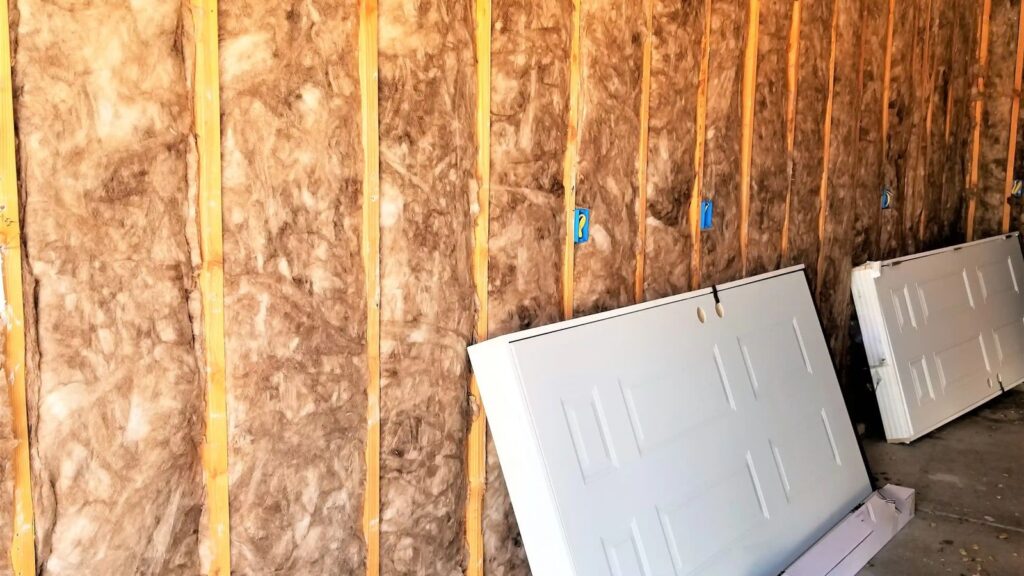
Not every steel building needs insulation. Garages, shops, and anything you'll live in almost always do, and the decision has to come before the build.
Read more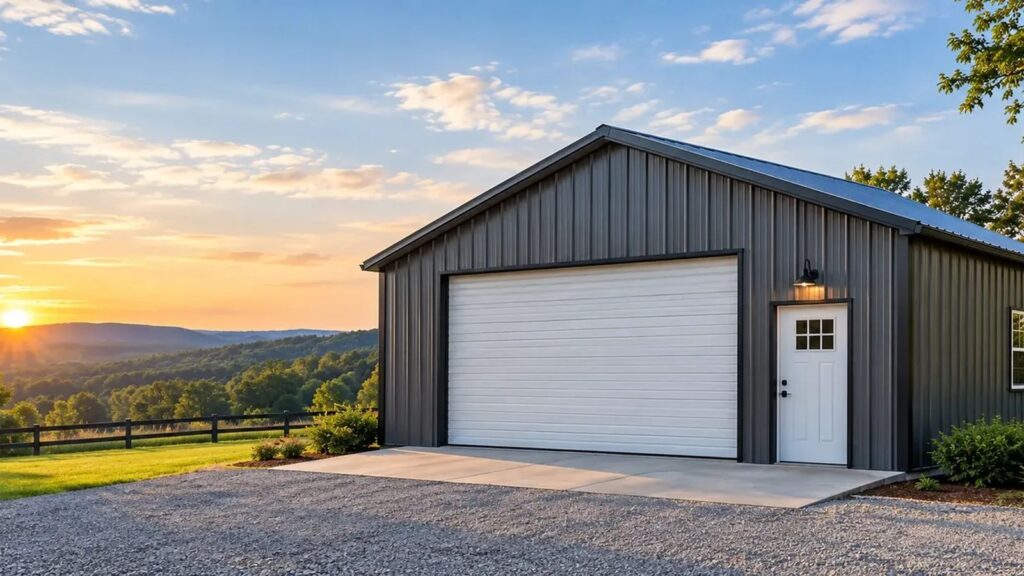
Planning
A garage is easy to size wrong and impossible to resize later. Walk through these seven decisions before you ask for a quote.
Read more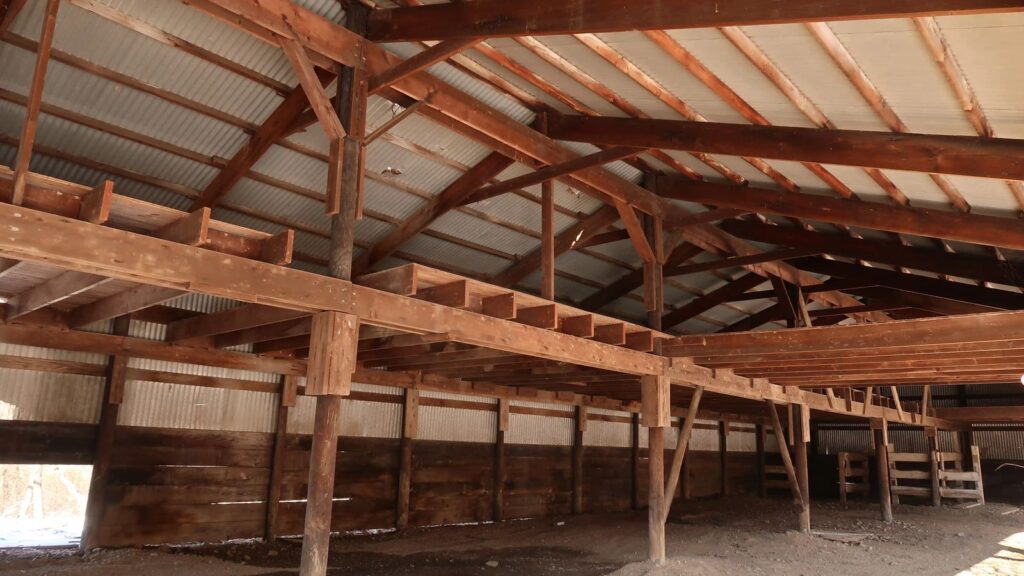
Planning
Pole barns and steel buildings both put a roof over your equipment. In Arkansas humidity and clay, they age very differently.
Read moreTell us what you're building and where it's going. Estimates are free, with no obligation and no deposit.