
Design
Metal Building Roof Styles: Regular vs. Boxed-Eave vs. Vertical
The roof style you pick changes how a metal building sheds rain and ice, how it looks beside your house, and what it costs. Here's how the three styles compare.
Read more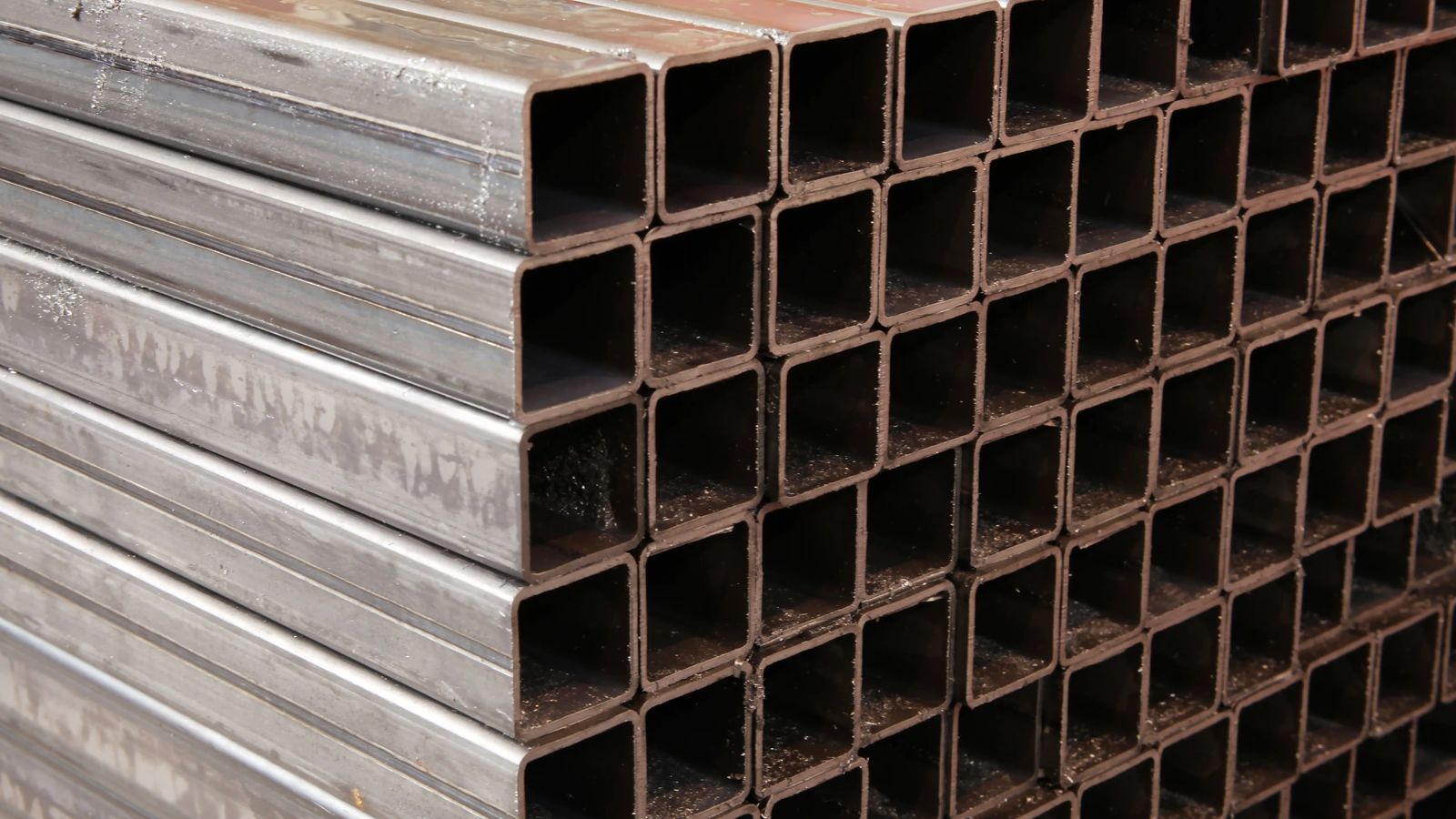
In steel framing, a lower gauge number means thicker steel. Twelve-gauge tubing has thicker walls than 14-gauge, so it’s stronger and costs more. Most metal buildings use 14-gauge framing, which is plenty for carports, garages, and shops in normal conditions. Twelve-gauge is chosen for larger buildings, higher wind exposure, taller legs, and when a longer frame warranty matters.
Gauge is an old measure of sheet thickness, and it counts down as the metal gets thicker. So 12-gauge is heavier than 14-gauge, and 26-gauge roof panels are heavier than 29-gauge. If you remember nothing else: smaller number, thicker steel.
Steel building frames are made of square tubing. In the carport and metal building industry, 14-gauge framing is typically 2.5-inch tubing with roughly 0.075-inch walls, and 12-gauge is typically 2.25-inch tubing with roughly 0.1-inch walls. The 12-gauge tube is slightly smaller on the outside but noticeably thicker, which is what gives it the extra strength.
Both are galvanized to resist rust. The difference is how much load the frame carries before it flexes, which matters most for wind on tall or open buildings and for snow and ice on wide roofs.
Roof and wall panels are usually 29-gauge, with 26-gauge available as a heavier option. Heavier panels dent less in hail and resist oil-canning on wide spans. The panel coating matters as much as the gauge; ours is warranted in writing for 40 years against chalk, fade, chip, and rust perforation. See choosing a metal roof.
A heavier frame on the wrong anchors is still a weak building. Framing gauge, roof style, anchoring, and the ground all work together. That’s why Metal Dreams specs the gauge for your site and your county’s code rather than quoting one gauge for everything. Tell us where the building is going and what it will hold, and we’ll recommend the frame. Request a free estimate.
FAQ
Yes. Twelve-gauge tubing has thicker walls, so it carries more wind and snow load before flexing. It also costs more.
Fourteen-gauge framing with 29-gauge panels is the common standard. Twelve-gauge framing and 26-gauge panels are the heavier upgrades.
For a tall RV cover, a wide shop, or an exposed site, it's usually worth it. For an ordinary carport or garage on a sheltered lot, 14-gauge does the job.
Keep reading
Design
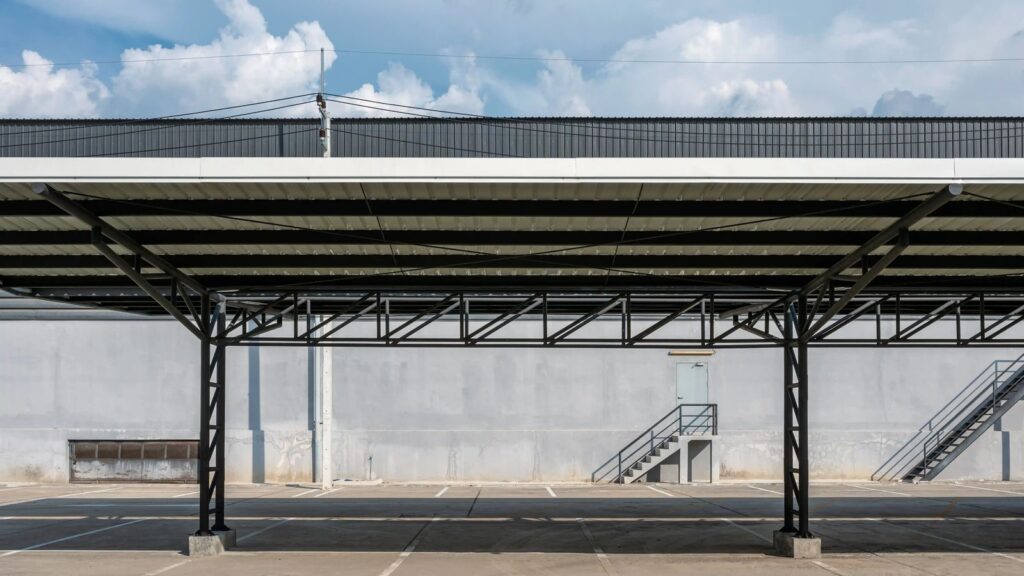
The roof style you pick changes how a metal building sheds rain and ice, how it looks beside your house, and what it costs. Here's how the three styles compare.
Read more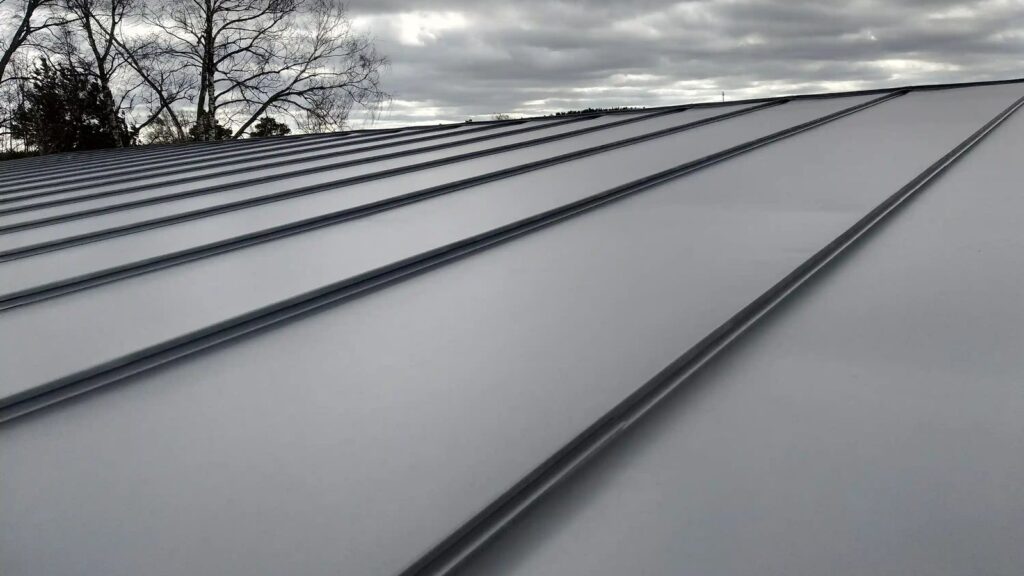
Design
A metal roof is a decades-long decision. Here's how pitch, panel profile, color, and the paint warranty affect what you'll live with.
Read more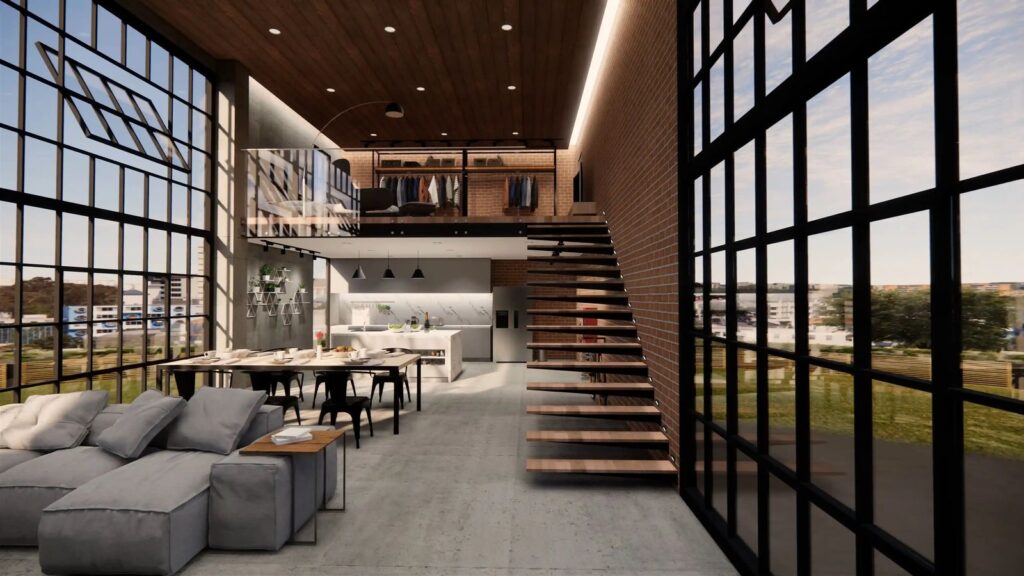
Design
A barndominium lets you live where you work. The floor plan decides whether the two halves fit together or fight each other.
Read moreTell us what you're building and where it's going. Estimates are free, with no obligation and no deposit.