Design
Metal Building Roof Styles: Regular vs. Boxed-Eave vs. Vertical
The roof style you pick changes how a metal building sheds rain and ice, how it looks beside your house, and what it costs. Here's how the three styles compare.
Read more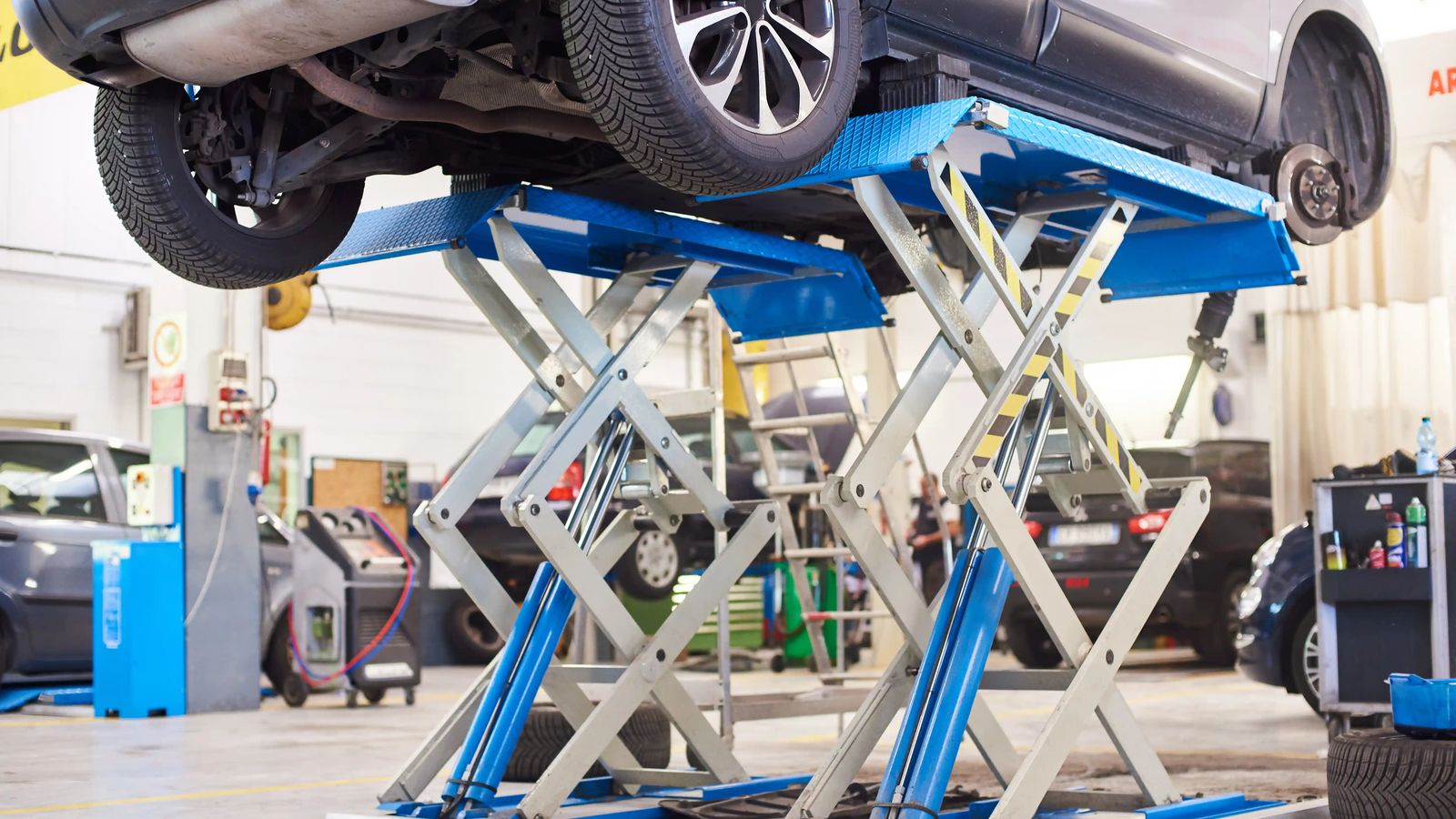
A metal shop built for a two-post lift needs enough eave height to raise a vehicle fully, a bay wide enough for the lift’s footprint and open doors, a slab thick and strong enough for the lift’s anchors, and building anchoring specified for the loads a lift puts on the floor. Most of that can’t be changed after the building is up, which is why we ask about a lift before we quote a shop.
Most two-post lifts stand roughly 12 feet tall at the columns, and you need working room above the vehicle at full rise. In practice that means a clear height of at least 12 feet and an eave height taller than that to allow for trusses and lights. A 14-foot eave is a common starting point; a taller truck or van pushes it higher. The number to check is the lift’s overall height in its manual, plus the tallest vehicle you’ll raise.
A lift bay needs room for the lift’s footprint, the vehicle, and open doors on both sides with a person working between them. Plan each lift bay wider than a normal parking bay, and leave depth in front of or behind the lift for a workbench and for walking around a raised vehicle.
Lift manufacturers specify the concrete their anchors need. Many call for at least 4 inches of 3,000 psi concrete, cured, with no seams or cracks under the columns; some call for more. Check your lift’s manual and build the slab to it. Concrete is where this company started, so ask about the slab when you ask about the building. See foundation options.
A shop floor holding a two-post lift sees loads a storage garage never does. The building’s anchoring and the slab under the lift should be specified for that, not copied from a standard carport spec. This is one of the first things Metal Dreams asks about when quoting a shop.
Overhead doors should clear the tallest vehicle with room to spare, and be placed so you can drive straight onto the lift. A 12-by-12 door is a common choice for a mechanic shop with trucks. Put a walk door near the lift bay for coming and going without opening the big door.
Plan the wiring chase for the lift’s circuit, the compressor location, and lighting over the bay before the building is built. Those are easy to run while the framing is open and awkward afterward.
If there’s any chance of one, build for it now. Taller walls and a lift-rated slab cost a little more today and nothing compared with a second building later. Tell us when you request a free estimate, and read why clear-span framing matters for a working shop.
FAQ
Plan at least 12 feet of clear height, with the eave taller than that. Check your lift's overall height and the tallest vehicle you'll raise.
Follow the lift manufacturer. Many specify a minimum of 4 inches of 3,000 psi concrete with no seams under the columns; some require more.
Only if the eave height and slab allow it. Height can't be changed, and a thin slab usually means cutting and pouring new footings under the columns.
Keep reading
Design
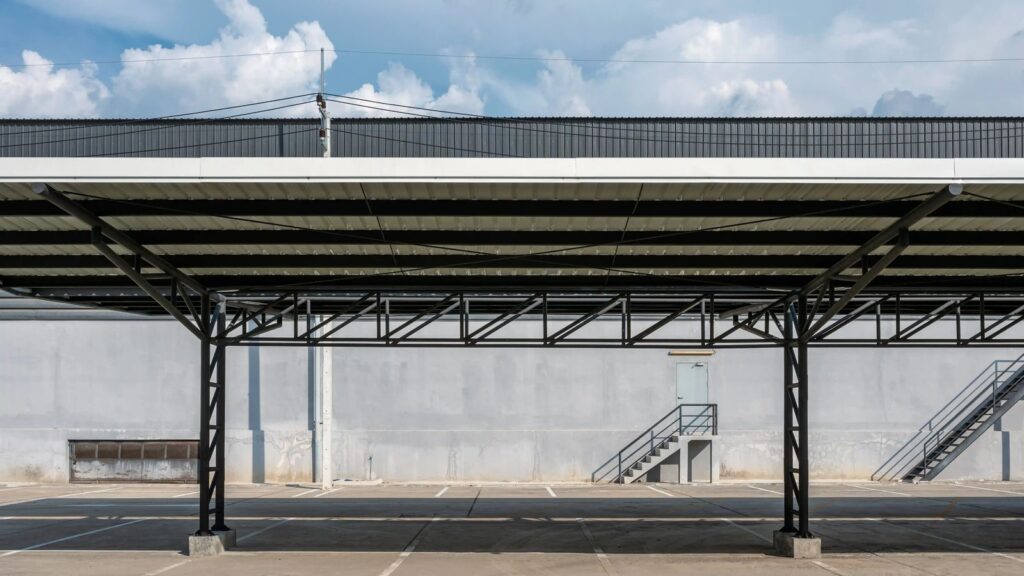
The roof style you pick changes how a metal building sheds rain and ice, how it looks beside your house, and what it costs. Here's how the three styles compare.
Read more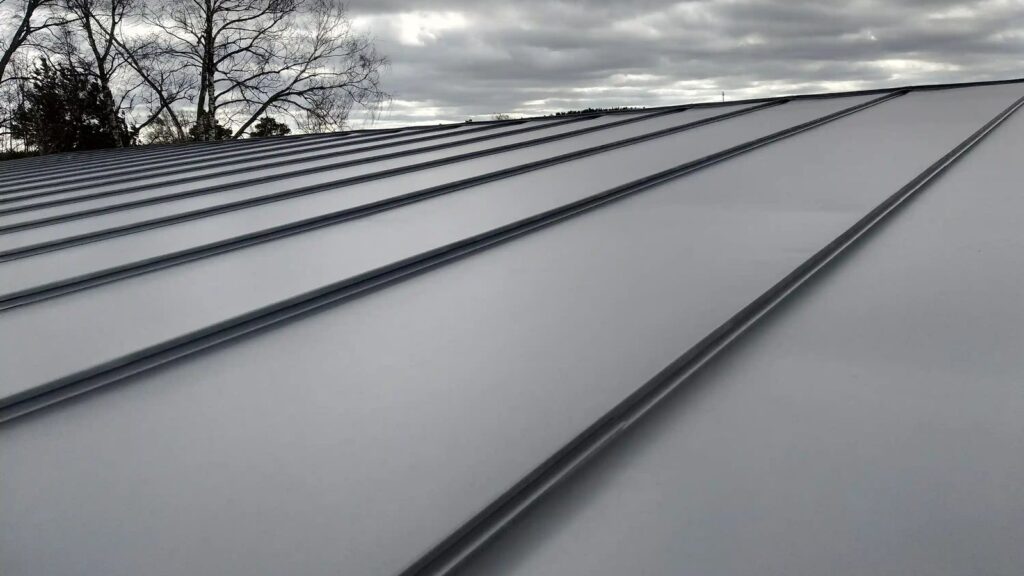
Design
A metal roof is a decades-long decision. Here's how pitch, panel profile, color, and the paint warranty affect what you'll live with.
Read more
Design
A barndominium lets you live where you work. The floor plan decides whether the two halves fit together or fight each other.
Read moreTell us what you're building and where it's going. Estimates are free, with no obligation and no deposit.